


AirHelp built its reputation by fighting airlines to secure compensation for flight disruptions. If you experience a delay, cancellation, denied boarding, or other inconvenience, AirHelp files a claim on your behalf and, if successful, keeps a cut of your payout.
However, many people wonder if there’s a cheaper, better, or more automated option.
We compare some of the best AirHelp alternatives based on their fees, coverage, and features, so you can decide which service offers the most value for money.
Why look for an AirHelp alternative
AirHelp is a large, well-established flight compensation company that’s successfully handled millions of claims.
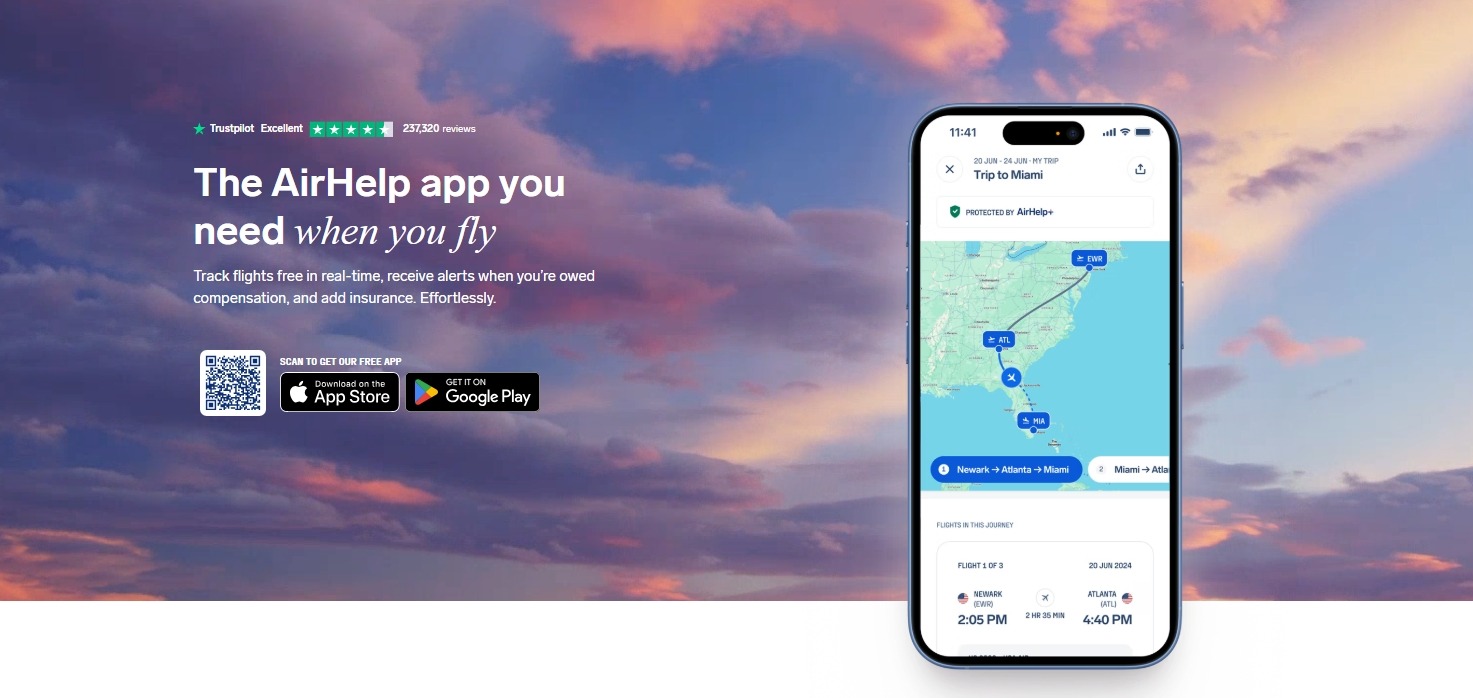
But it’s not the only option out there. Many travelers start looking for alternatives after realizing that different flight compensation apps and websites vary significantly in terms of fees, coverage, and the level of administrative support they provide.
Here are some of the most common reasons people consider finding an alternative to AirHelp:
- Service fees: Success fees vary among providers, and some also deduct VAT and legal fees separately. AirHelp charges a 35% success fee and a 15% legal fee if the case goes to court. Even a small difference in commission means you get to keep more of your payout.
- Service scope: AirHelp helps you pursue claims covered by passenger rights regulations, such as compensation for delays, cancellations, denied boarding, and missed connections, as well as eligible reimbursements under the Montreal Convention. Other companies might also help you recover refunds and claim other money you are entitled to.
- Automation: Per-claim services like AirHelp rely on you to initiate the flight disruption claim process, which includes providing flight details, submitting documents, and tracking updates. Some flight compensation companies offer a more automated process, and some even detect and automatically pursue eligible claims.
- Coverage: Not every provider supports the same countries and passenger rights regulations. Most cover EU261, including AirHelp, but if your flight falls outside the EU or involves a more complex itinerary, a service with multijurisdictional coverage may be a better fit.
10 best AirHelp alternatives for flight compensation
No single flight compensation service fits every traveler. Some companies stand out for having low fees, while others gain a reputation for handling complex claims, having broader geographic coverage, or offering additional features that go beyond airline compensation. The right option depends on what you value the most.
Below, we compare AirHelp to its 10 best alternatives:
- Settlemate
- SkyRefund
- AirAdvisor
- EUclaim
- AirClaim
- ReFly
- ClaimFlights
- Flightright
- Compensair
- Skycop
AirHelp vs. Settlemate

Compared to AirHelp, Settlemate offers many more flight-related compensation options, such as
refunds or reimbursements for flight changes, diversions, unplanned hotel stays, and luggage issues.
Settlemate’s jurisdiction coverage is also broader, encompassing:
- EU261 and UK261
- Montreal Convention
- U.S. DOT
- Canadian APPR
In addition, the app proactively identifies money you may be entitled to across multiple categories, helping you recover:
- Class action settlements
- Late delivery compensation
- Price adjustment refunds
- Hidden fees and surcharges
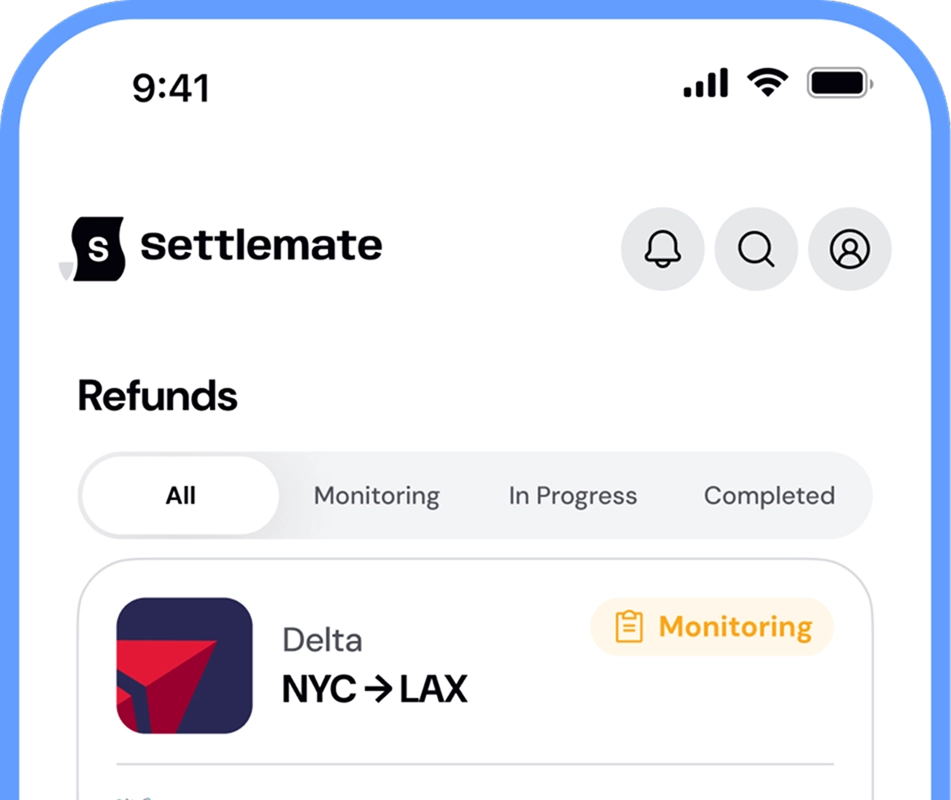
All you have to do is download Settlemate, connect your inbox, and with your permission, the app will continuously monitor your booking confirmations and purchase activity to find new money-recovery opportunities. It also gathers the necessary documentation and prepares a claim automatically, removing much of the manual work involved in identifying and filing claims.
Unlike AirHelp’s per-claim model, Settlemate has a flat subscription of $2.91/month (billed annually), meaning the cost stays the same no matter how many eligible claims the app identifies. Plus, there’s a generous Value guarantee if the subscription doesn’t pay for itself within the first year. If your membership doesn’t deliver enough verified value to cover what you paid in your first 12 months, you’ll get more time with complimentary extensions until you reach that value.
Here’s how to choose:
AirHelp vs. SkyRefund
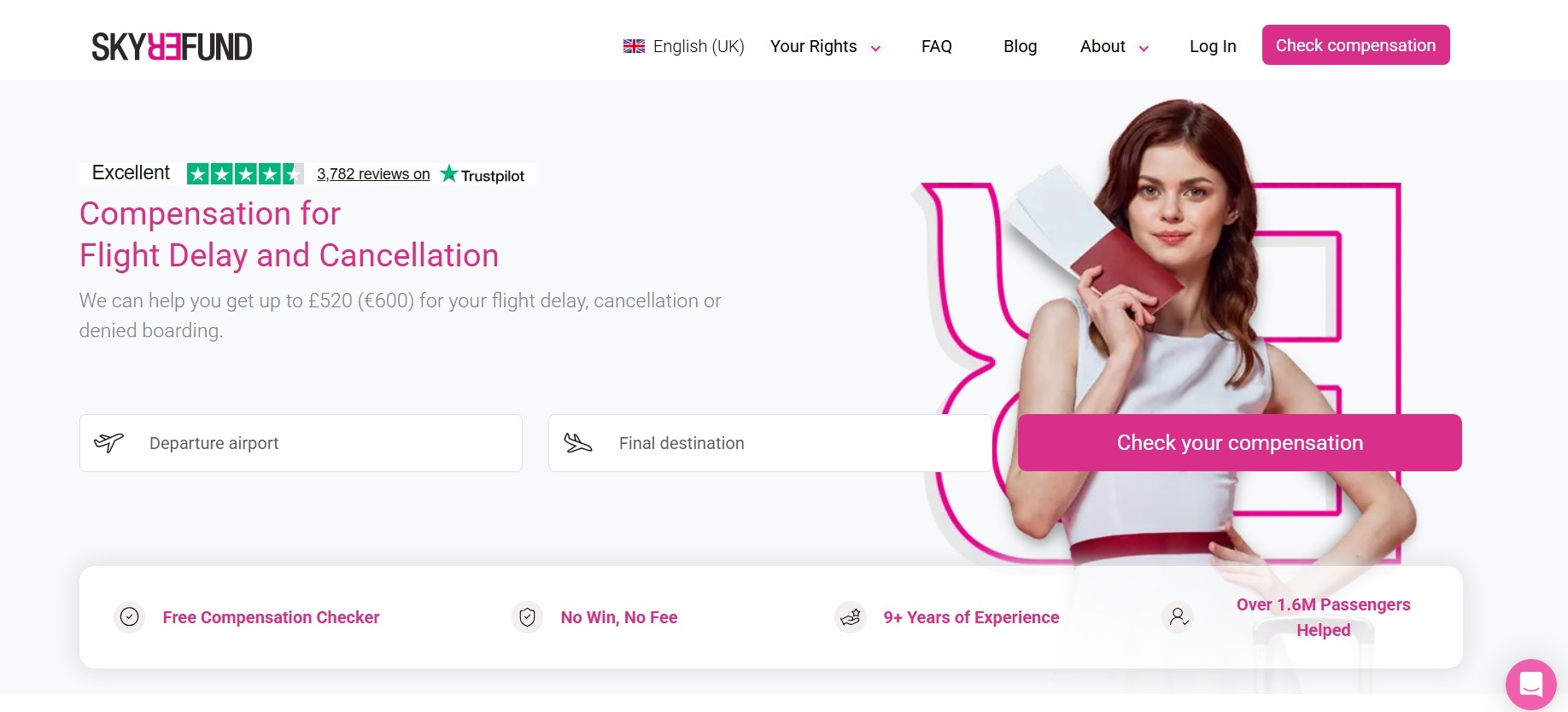
SkyRefund is probably the closest alternative to AirHelp. Both specialize in flight compensation and have the same success-fee model, so the decision comes down to coverage and service rather than cost.
SkyRefund has broader coverage, encompassing:
- Turkey
- Brazil
- Canada
- Saudi Arabia
- Europe
If your flight involved any of these countries, that’s the deciding factor for choosing SkyRefund.
Unlike AirHelp, which lets you submit claims through an app and an online portal, SkyRefund only has a website and a calculator tool. AirHelp’s advantage is that it can automatically scan your inbox for flight-related information. If you prefer not to connect your inbox, you can still add a flight manually.
SkyRefund’s web-only approach might be appealing if you’d rather not install yet another app on your phone.
AirHelp vs. AirAdvisor

AirAdvisor is a slightly more affordable AirHelp alternative, at least until a case reaches court. At that point, AirAdvisor’s fee climbs to the same 50% that AirHelp charges (30% fee + 20% legal fees).
Also, court fees, state duties, and notary costs aren’t included in AirAdvisor’s legal action fee and would be deducted from your compensation, but there’s no information on how much that could be.
Both services operate under EU261 or UK261 passenger rights regulations and the Montreal Convention, meaning they handle the same types of flight compensation and reimbursement claims. The only difference is that AirAdvisor helps you claim ticket refunds.
Another similarity is regarding their updated membership offer. AirHelp already has a membership option, AirHelp+, while AirAdvisor has announced the launch of AirAdvisor+. Both promise benefits such as quick cash payouts for disruptions and lounge access.
Here’s how to choose:
AirHelp vs. EUclaim
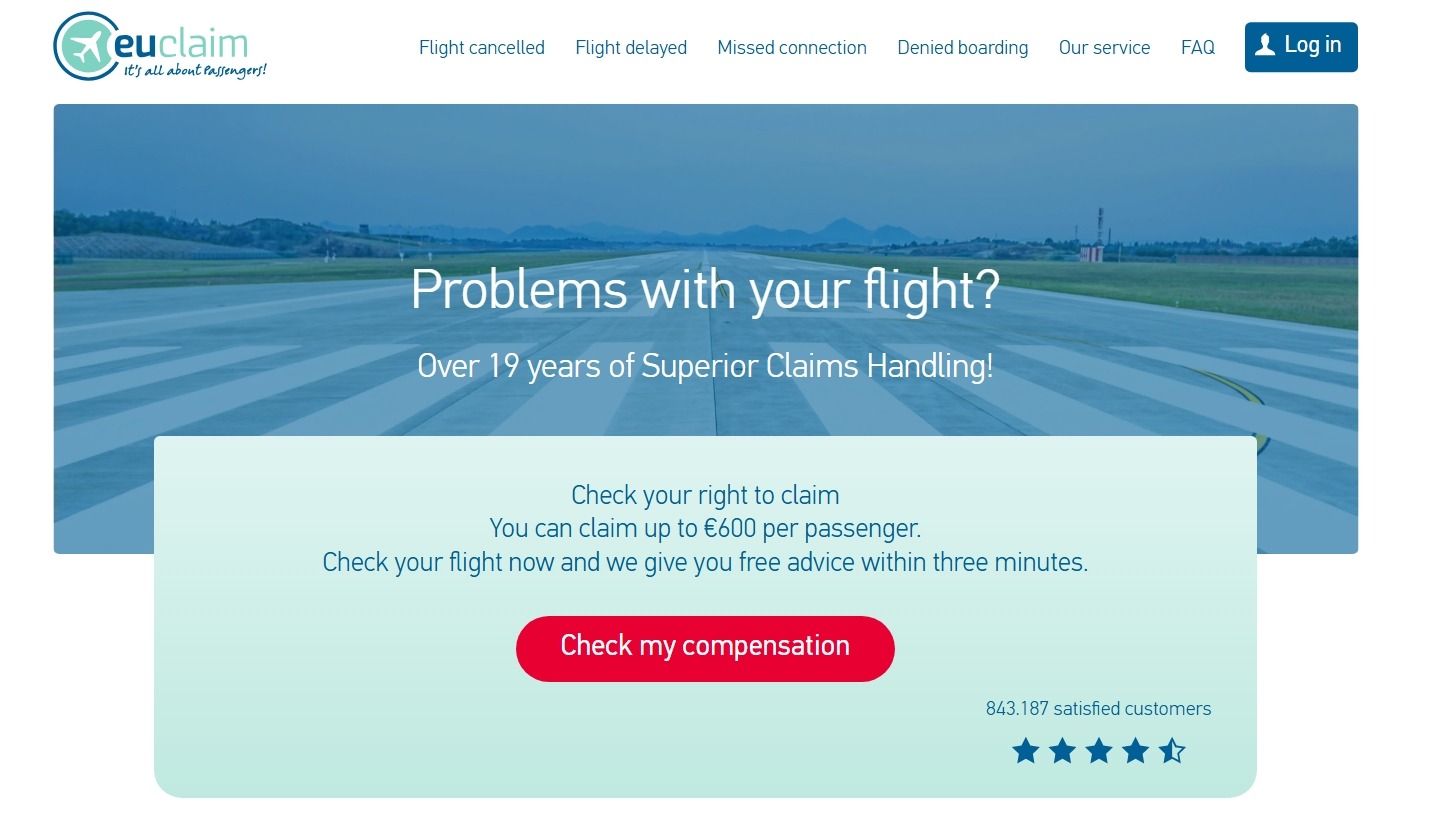
EUclaim has a long history involving EU passenger rights and covers claims governed specifically by EU261. It has a single, all-inclusive 31% success fee, but with a per-passenger administration charge of €33. While the service may appear affordable for a single person, the fees may quickly add up for a family or group of passengers.
EUclaim doesn’t pursue claims under the Montreal Convention, so if your case falls outside of the EU261 scope, you’ll have to look for an alternative solution.
One point EUclaim highlights is personal contact via email or chat with human staff, so:
AirHelp vs. AirClaim
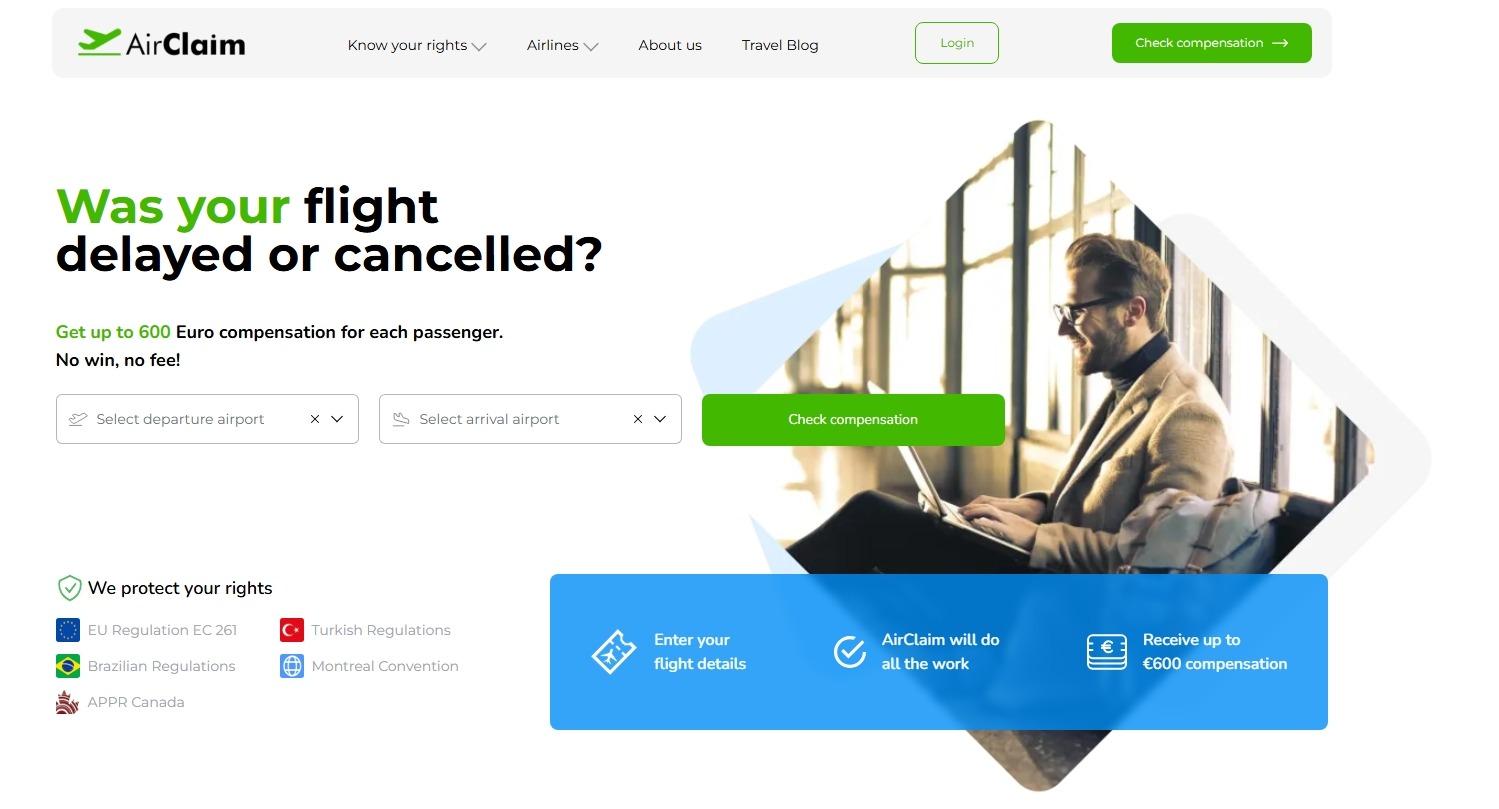
AirClaim’s combined fee covering base and legal action is 41.32% (29% base and 12.32% legal fees, VAT not included), which is significantly below AirHelp’s total. The trade-off is that the service only manages claims under EU261. On the other hand, AirClaim explicitly states that it handles baggage delays, which not every competitor does.
There’s no dedicated app for AirClaim, just a website with a compensation calculator and a chat assistant for basic questions. You can choose whether you want to enter flight details manually or scan or upload your boarding pass to speed up the process, something AirHelp doesn’t offer through its web portal.
Choose…
AirHelp vs. ReFly
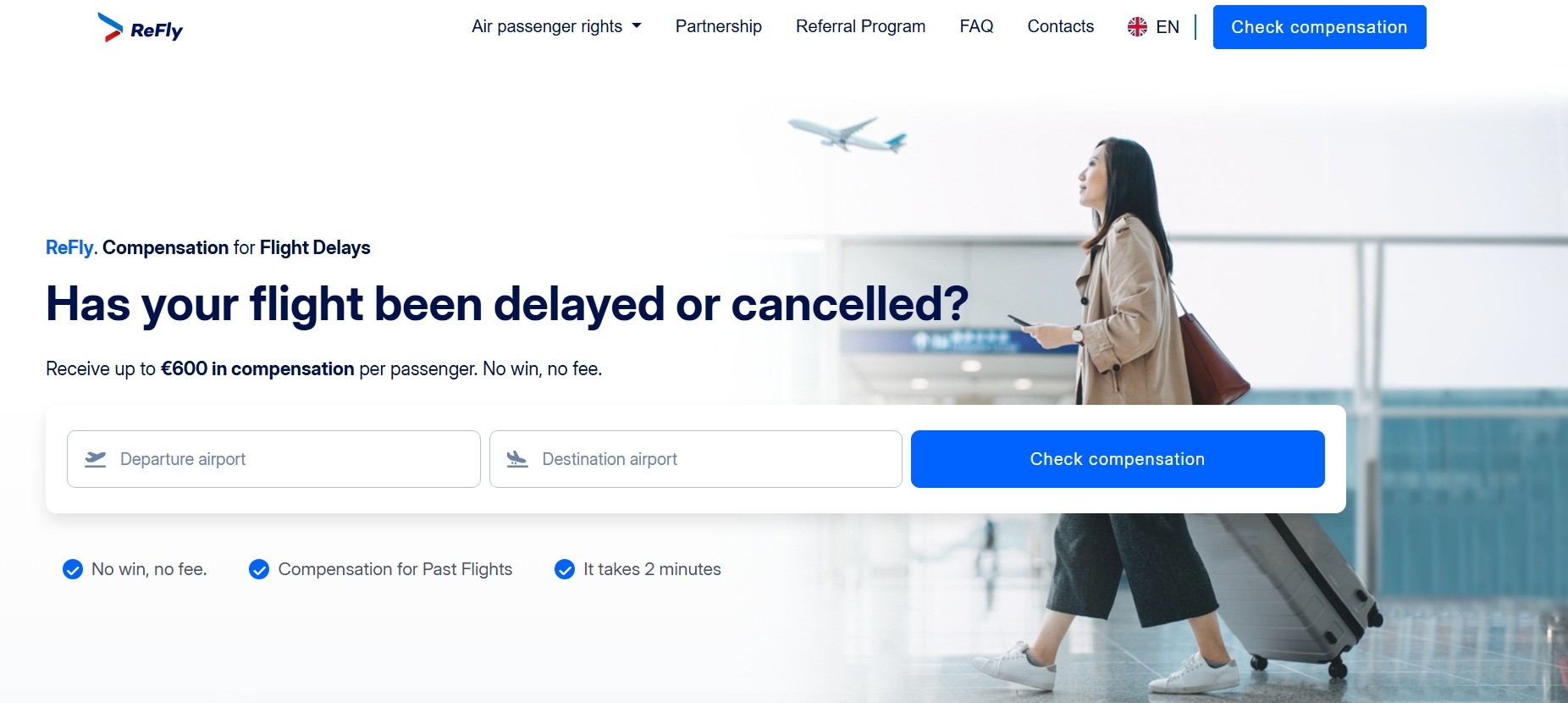
Like many other options on the list, ReFly covers only European flights. The standard success fee is only slightly lower than AirHelp’s at 33%, and the fee jumps to 50% if legal action becomes necessary.
The claim submission process is quick, requiring only to fill out a web form, which is how most AirHelp alternatives work.
However, the price alone isn’t a compelling enough reason to switch, especially if the case ends up in court, so:
AirHelp vs. ClaimFlights
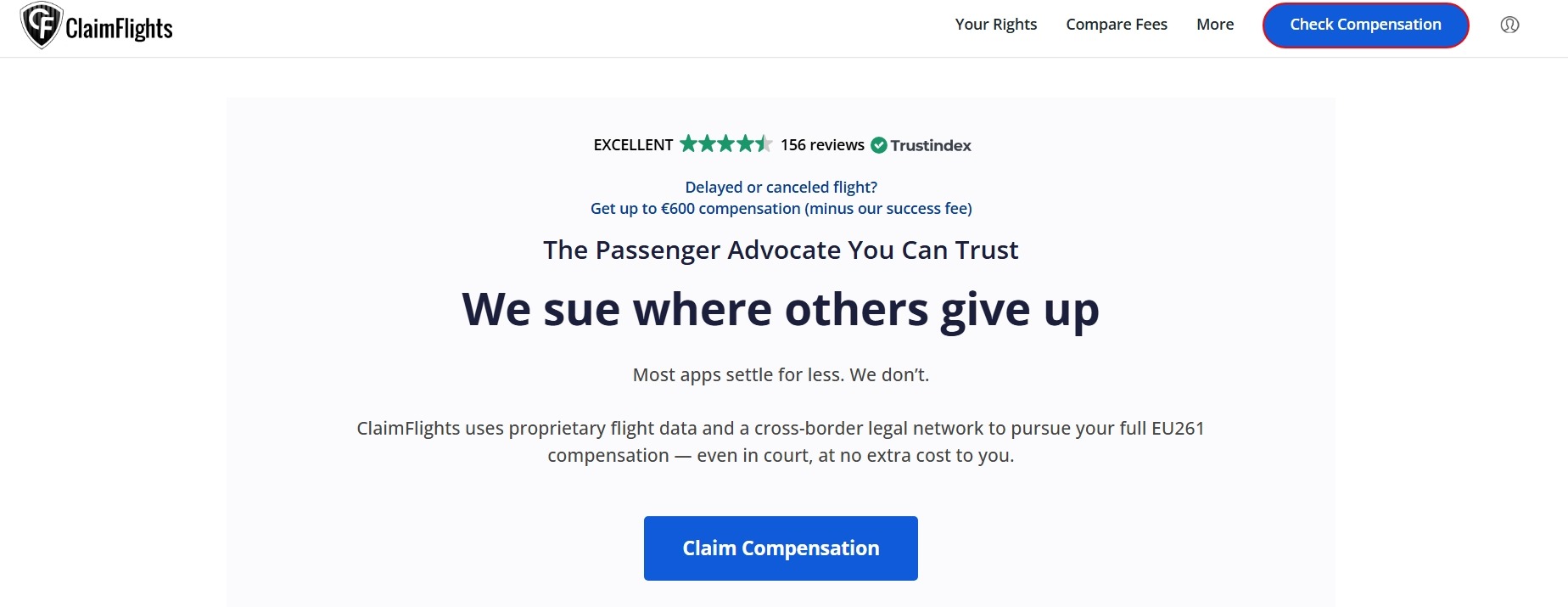
ClaimFlights promises something almost no other service on the list can match: a 25% flat fee that doesn’t increase even if the claim goes to court. Plus, this rate is lower than AirHelp’s standard success fee and the fees of most other competitors. The clear advantage is that there’s no financial downside to letting a contested claim run its full course.
However, that advantage comes at the price of range. Jurisdiction coverage encompasses only flights under the EU261 legal framework, so the service can’t help you with disruption-related cost reimbursements or luggage issues.
As with most other AirHelp competitors, you need to initiate the process with ClaimFlights by providing flight details through its web form, and the service will take over from there.
For an ordinary EU flight disruption claim, the flat-fee guarantee is hard to beat, so:
AirHelp vs. Flightright
Flightright is well-known for handling complex airline disputes and has built a strong legal reputation.
Its pricing is fairly close to AirHelp’s, though VAT is not included:
- 20% to 30% success fee
- 14% legal fees
Like AirHelp, it helps you file claims under EU261, but Flightright stands out with extensive litigation experience and a web portal for tracking claims. You can also add upcoming flights so the system can automatically monitor them for disruptions and potential compensation eligibility.
The only downside is that it is unclear how Flightright calculates the success fee it will deduct from your compensation, i.e., whether it depends on the case's complexity or the final payout amount.
Regardless, choosing between Flightright vs. AirHelp comes down to this:
AirHelp vs. Compensair
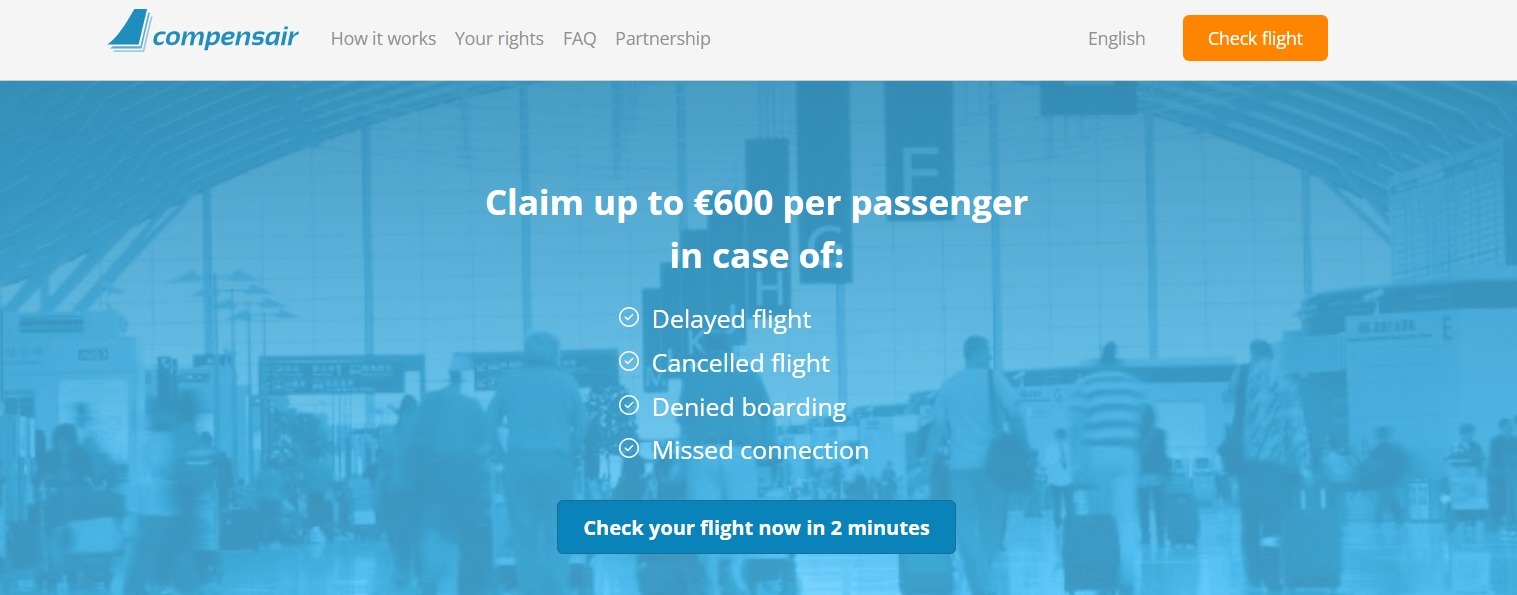
Compensair is another flight compensation service with a broader jurisdiction than AirHelp, operating under European, Turkish, and Canadian passenger rights regulations and covering over 150 airlines across 60 countries.
To initiate the claims process, you must provide your flight details through the web portal. The software checks your eligibility and takes over from there.
The standard success fee is the same as AirHelp’s (35% fee), but the legal fee is lower (10%). Additionally, Compensair claims an average compensation payout of €450 per traveler, suggesting it tends to resolve claims outside the court more frequently.
To help you decide:
AirHelp vs. Skycop
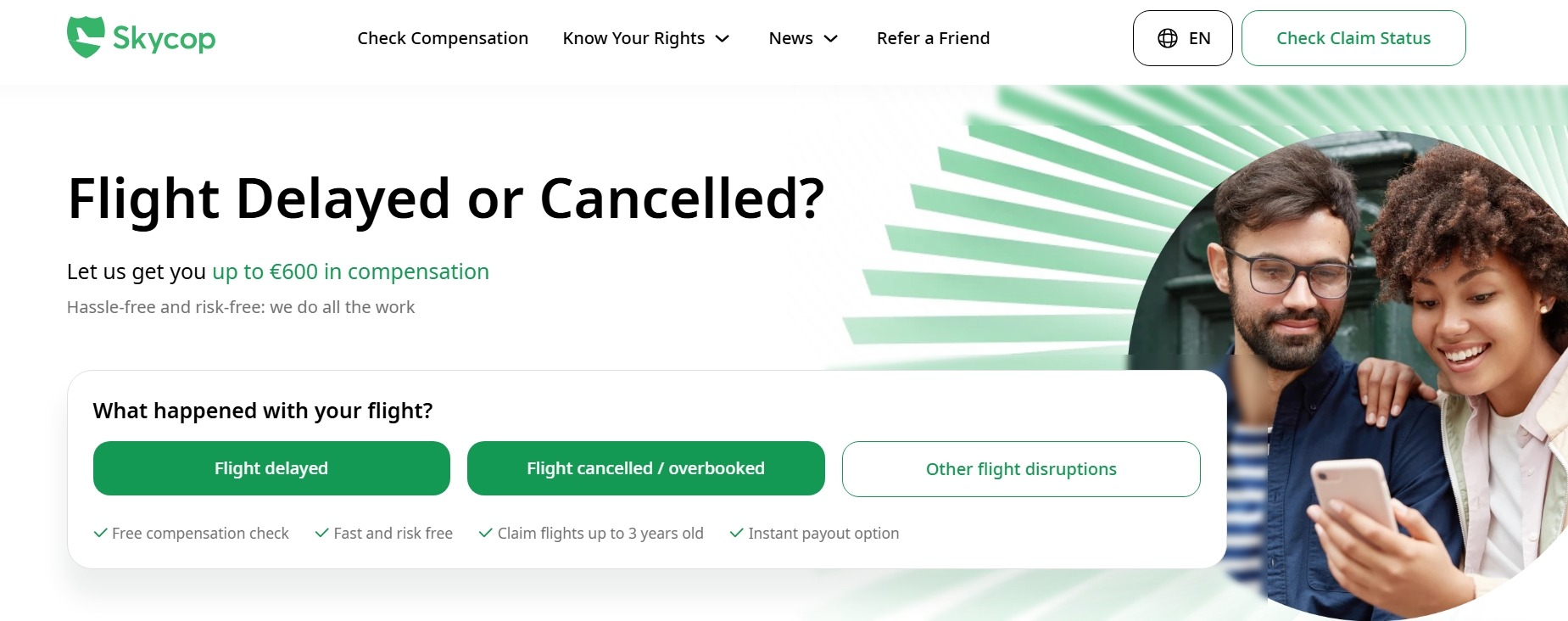
Skycop is a Lithuanian flight compensation company that handles claims under European, Turkish, and Brazilian passenger rights regulations, so it can be a solid alternative to AirHelp if you need broader jurisdiction coverage.
In terms of pricing, the 44% base fee is significantly higher than AirHelp’s. While the 6% legal fee is significantly lower, it doesn’t make much of a difference when all the expenses even out.
Like AirHelp, Skycop also offers a paid membership plan, which provides benefits such as:
- Airport lounge access during disruptions
- Luggage protection of up to €1,000
- No service fees
The problem is that the cost of this membership isn’t publicly disclosed, but you can sign up for a free trial.
To choose between the two services, you need to consider the following factors:
How to choose the best AirHelp alternative
Many of the mentioned alternatives outperform AirHelp in one specific area.
For example:
- If your claim has already been rejected and you need a service that will escalate the case to court, Flightright is the strongest option.
- If you want an established fee structure, even if the case goes to court, go with ClaimFlights.
- If your disrupted flight involves a country outside Europe, SkyRefund or Compensair might be the right choice.
However, most of these services only step in after you’ve identified an eligible claim and submitted your documents. Some options can monitor your upcoming flights and flag eligible disruptions, but they still require your input. This can become tedious if you fly often and want to make sure you are compensated fairly for every eligible flight disruption.
If you prefer a hands-off process, fixed fees, and broad coverage, your best bet is Settlemate. Additionally, you can rely on the app to identify compensation opportunities across categories such as travel, shopping, and other everyday purchases, ensuring you never leave money on the table.

Download Settlemate from the App Store or Google Play and let it put your airline compensation claims on autopilot.