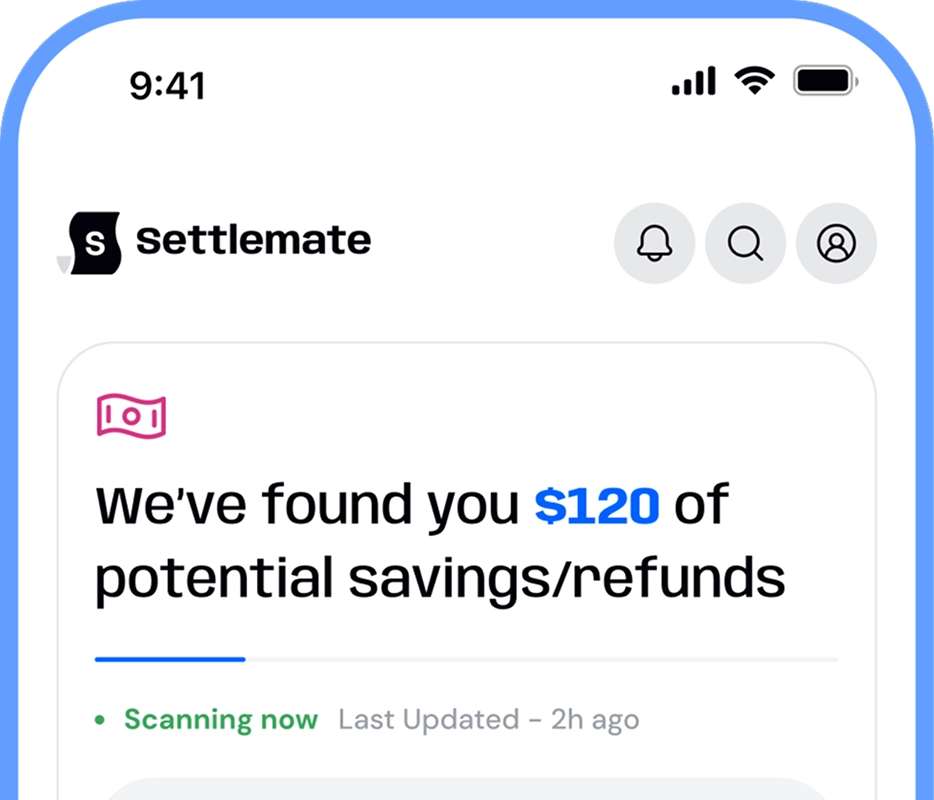



Refunds are quite common across US industries.
E-commerce businesses refund roughly 20% of online purchases, airline refunds can be measured in billions, and even financial institutions aren’t exempt, with banks forced to refund over $120 million to customers in 2023 due to hidden fees.
Still, many people never claim the money they’re owed because they don’t know when they qualify, how to ask, or how to push back when a company is stalling or refusing to act.
That’s why this guide exists—to walk you through the refund claim process step by step, with clear rules, useful tips, and proven tactics to get your money back.
Key takeaways
- Refund claims succeed or fail based on policy and timing
Before doing anything else, confirm that your situation qualifies under the company’s refund policy and that you’re still within the refund window. Even valid claims get denied if you miss deadlines or overlook exclusions. - Preparation and clarity dramatically increase your odds
Gathering the right documents and making a clear, unambiguous refund request using the word “refund” removes friction and prevents delays. Vague complaints and missing paperwork are two of the biggest reasons claims stall. - Escalation works when it’s procedural, not emotional
If the first response is a no or a non-answer, escalate internally to a manager, then externally if needed. Staying calm, factual, and consistent keeps decision-makers engaged and preserves your leverage. - You have leverage beyond the company itself
Chargebacks, formal written complaints, regulators, consumer organizations, and dispute resolution programs exist for a reason. Bringing in third parties often changes the company’s calculus when internal channels fail. - Not all refund claims need this level of effort
Many refunds, like price adjustments, billing corrections, recalls, and class action payouts, are available without a fight. Tools like Settlemate automate the easy wins by monitoring purchases, finding eligible refunds, and filing claims for you in the background, so you don’t have to chase every dollar manually.
How to file a refund claim: A step-by-step guide
This refund claim guide shows you how to move through the process step by step. Hopefully, the first few steps are all it takes to get your money back. If not, follow the rest of the steps until the refund issue is resolved.
Step 1: Check the company’s refund policy
You can’t ask for a refund just because you’re unhappy; refund claims live and die by policy.
Every company has rules you agreed to at purchase, even if they’re buried in fine print. Customer service is required to follow these rules.
So, before reaching out to them, find the refund or return policy and pull the sections that apply to your situation.
You should look at:
- Receipts and order confirmations
- Product packaging or warranties
- The company’s website (returns, refunds, or terms pages)
Scan for refund eligibility, exclusions, and exceptions. This will instantly tell you whether your claim clearly qualifies, might qualify under an exception, or falls outside the policy altogether, so you know exactly how to proceed.

Step 2: Make sure you’re within the refund window
Another crucial piece of information in any refund policy is the deadline. Qualifying for a refund means nothing if the return window has already closed.
Most companies enforce strict refund windows—commonly 30, 60, or 90 days from the moment of purchase or delivery. Miss it, and even valid claims can be automatically denied.
Step 3: Gather your documents
Before actually asking for a refund, you need to gather proof of your purchase and your claim. You can do this by collecting any relevant documents, including:
- Receipts or order confirmations
- Credit card or bank statements
- Warranties or service agreements
- Invoices, contracts, or canceled checks
- Original packaging, tags, or labels (for in-store returns)
The goal is simple: Make it easy for the company to process your refund without asking follow-up questions. The better prepared you are, the faster the refund claim process moves.
Remember to only share copies, and keep the originals for your records. If the claim gets escalated or turns into a dispute, these original documents become your leverage.
Step 4: Contact the company and ask for a refund
This step is where many refund claims end unsuccessfully, because the customers fail to reach out to the right channel or convey their request clearly.
Typically, there are three ways you can reach out—in person, via phone, or online. Here’s how these contact options stack up:
Whichever method you choose, how you ask matters more than where you ask.
Your goal is to remove ambiguity and make the decision a no-brainer for the person on the other end. You can do so by:
- Clearly stating that you’re requesting a refund: Use the word “refund” directly so there’s no room for interpretation. Hints and soft phrasing slow the process and often lead nowhere.
- Specifying exactly what you want and why you qualify: Keep it factual and, if relevant, tie it back to the policy or issue.
- Keeping emotion out of the request: Focus on what happened, not how it felt.
- Making the request easy to process: Skip unnecessary details and provide only what’s needed to move the claim forward.
Step 5: Escalate the issue internally
In many cases, your initial refund claim can be denied or met with a non-answer. The latter option refers to cases where the company representatives:
- Acknowledge your message, but don’t approve or deny the refund
- Reply with policy language without applying it to your case
- Say they’re “looking into it” with no timeline or next step
- Redirect you to another channel without resolving anything
- Offer sympathy or apologies instead of an outcome
In these scenarios, your next move should be to escalate the issue internally by asking to speak to a manager or supervisor. Frontline representatives often have limited authority, while managers have more flexibility to approve refunds or exceptions.
But remember—escalate the issue, not your behavior. All you should do is:
- Briefly restate the issue
- Explain why you qualify
- Clearly repeat what you’re asking for
Step 6: Dispute the charge with your card provider
When the first wave of internal escalation goes nowhere, it’s time to involve someone with leverage. One option is disputing the charge with your card provider, also known as a chargeback.
A chargeback asks your bank or credit card company to review the transaction and, if appropriate, reverse the payment. This method can be effective when:
- The product or service wasn’t delivered as promised
- The item arrived damaged, defective, or materially different from what was advertised
- You were charged incorrectly or without authorization
- The company canceled the service but kept the payment
Your rights depend on your card agreement, which you can review through the Consumer Financial Protection Bureau’s Credit Card Agreement Database.
If the card issuer rules in your favor, the charge will be removed, effectively refunding you the money. If not, the decision should be explained in writing.
Step 7: Send an official complaint
If you still need to deal with the company to get your refund, an official written complaint raises the stakes. It creates a paper trail, signals seriousness, and forces the company to respond through a more formal process.
You can send your complaint to:
- The company’s customer relations or complaints department
- A dedicated complaints or legal email address
- Senior leadership (including the CEO)
Written complaints work because they’re hard to dismiss, easy to forward internally, and useful later if you escalate externally.
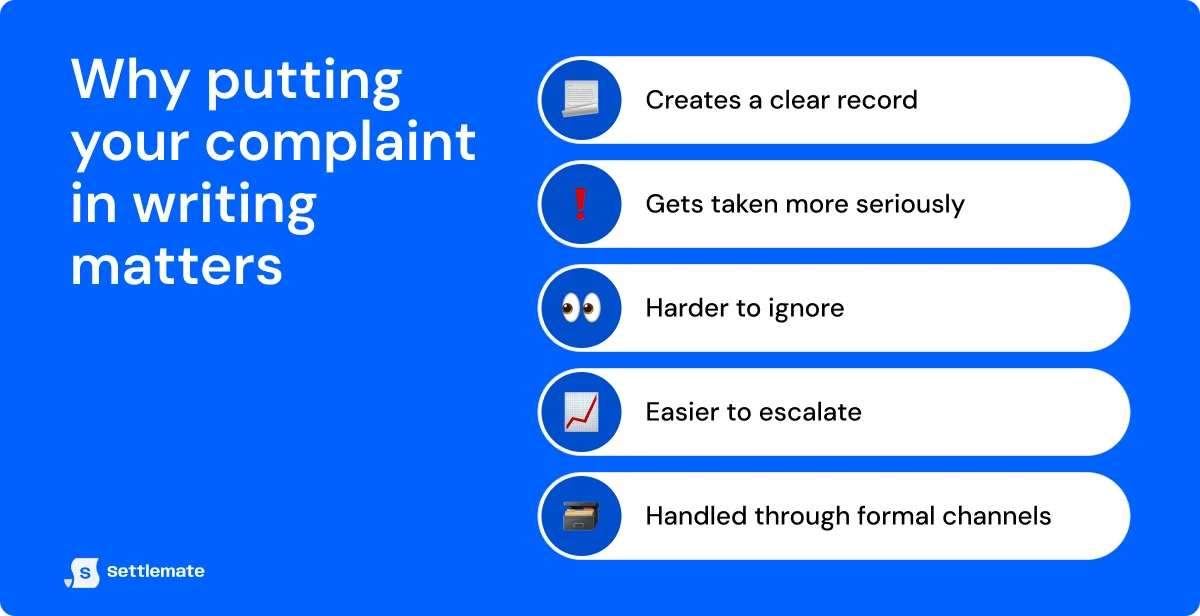
Here are a few tips on how to make this complaint as effective as possible:
- Include your contact details, account number, and order or transaction ID.
- Describe what you bought, when, and where.
- Explain the problem clearly and without emotion.
- State exactly what you want (in this case, a refund).
- Attach copies of relevant documents.
- Set a reasonable deadline for a response.
- Note your next step if the issue isn’t resolved.
The next step in question shouldn’t be an emotional threat or a promise to stop doing business with the company. After all, if the company thinks it has already lost you as a customer, it has little incentive to spend time or money fixing the issue.
Instead, use calm, professional language that signals you’re prepared to involve regulators. This kind of escalation is procedural, and companies take it far more seriously.
Step 8: Escalate outside the company
If the company has stopped responding, keeps denying your refund without justification, or ignores a formal written complaint, it may be time to escalate outside the company.
Depending on the situation, you can escalate to:
- Your state attorney general or consumer protection office: These agencies can mediate complaints, investigate patterns of abuse, and take action against companies that violate consumer protection laws.
- The Better Business Bureau (BBB): Local BBB offices forward complaints to businesses and track how they respond. While not a regulator, many companies prioritize resolving BBB complaints to protect their public rating.
- National consumer organizations: Groups like Call for Action help consumers navigate disputes and apply public pressure when appropriate.
- The Federal Trade Commission (FTC): The FTC doesn’t resolve individual cases, but complaints help identify widespread issues and can lead to enforcement actions and large-scale refunds. In 2024 alone, the FTC secured $337.3 million in refunds to customers.
Step 9: Use alternative dispute resolution
At this point, a lawsuit might feel inevitable. Before taking that step, you should try a faster and less expensive option: alternative dispute resolution (ADR).
Your state consumer protection office or local bar association may help you find ADR programs, which usually offer two options:
- Mediation: A neutral third party helps both sides reach a voluntary agreement.
- Arbitration: An arbitrator reviews the case and issues a decision, which may be binding.
Step 10: Take legal action
If all other avenues are exhausted, legal action becomes the final step.
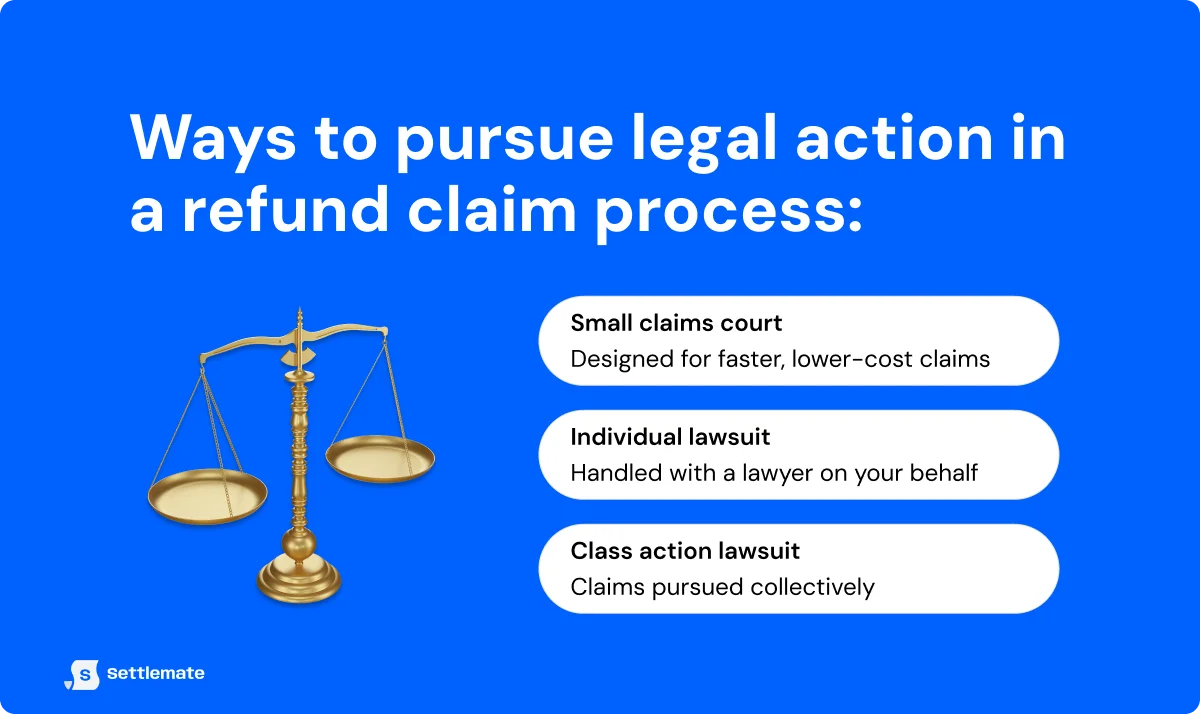
For smaller disputes, small claims court is often the most practical route since it’s low cost, relatively fast, and usually doesn’t require a lawyer. Dollar limits vary by state, but many claims fall comfortably within them.
For larger or more complex cases, a lawyer can advise whether a formal lawsuit makes sense.
In some situations, when many customers were affected by the same issue, you may also be eligible to join a class action, which allows claims to be pursued collectively rather than individually.
Additional ways to push a refund claim forward
Beyond formal refund claims and escalation steps, there are practical ways to apply pressure or gain insight that can help move things along. These include:
- Social media: Posting a calm, factual summary on platforms like X (Twitter) or on a company’s own social pages can surface the right contact or prompt a response.
- Online reviews: Leaving an accurate, measured review on platforms like Trustpilot or Google can get attention. Many companies monitor reviews closely and respond when issues are documented publicly.
- Consumer communities: Forums or closed social media groups can help you compare experiences, identify patterns, and learn which approaches work with a specific company.
Refund claims don’t always have to be this complicated
Not all refund claims require 10 steps, escalation, or pressure. Some, such as food recalls and price adjustment refunds, are straightforward and quietly available. You just need a tool to help you find them.
That’s where Settlemate comes in.
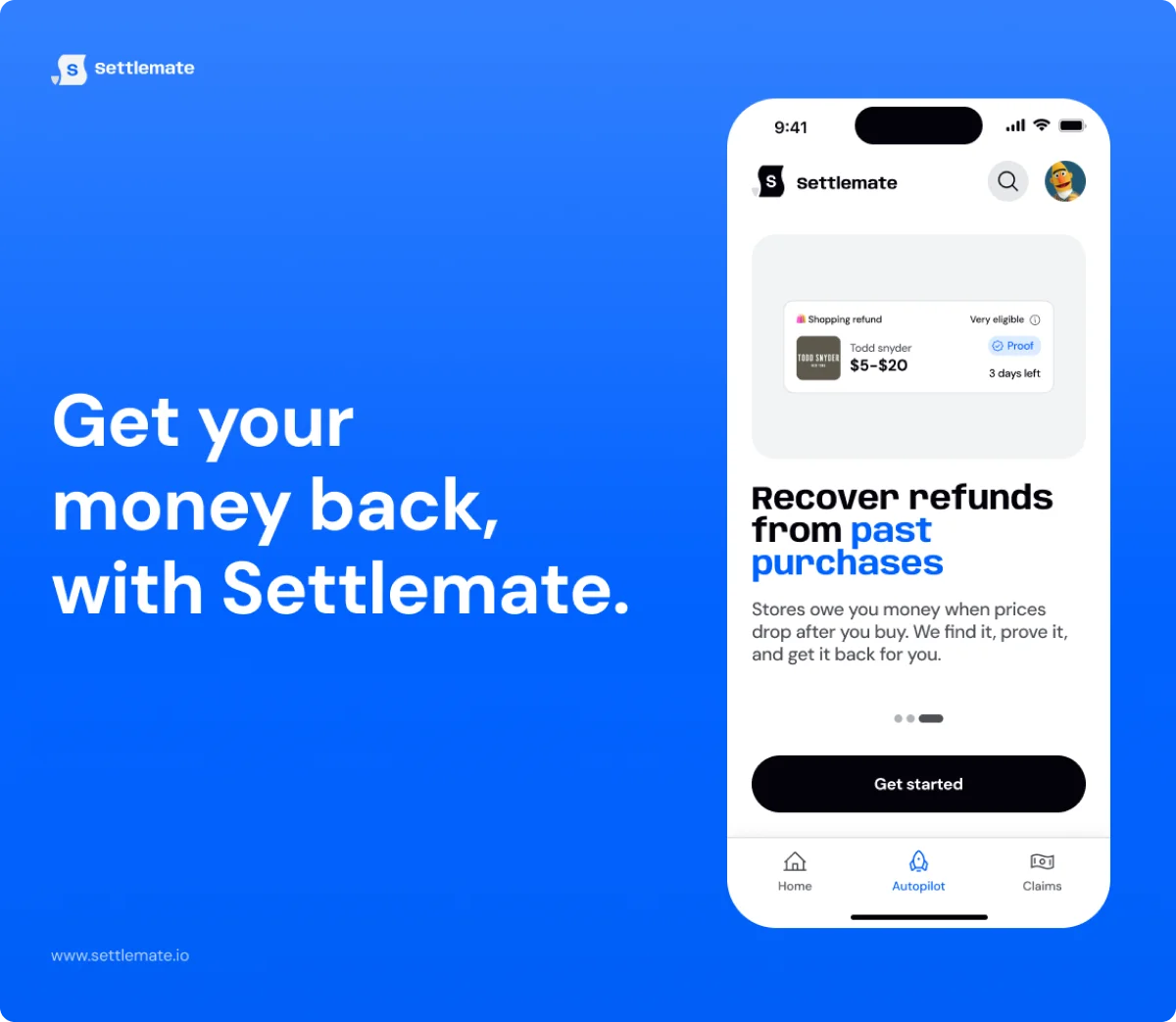
This app helps you automatically find refund opportunities by:
- Scanning your inbox for receipts and purchases
- Monitoring your past purchases for price drops and refunds
- Submitting claims automatically when you qualify
Settlemate can help you even if your refund claim escalates into a consumer fraud class action. It will track your eligibility and handle all the paperwork in the background, so you can get your share once the settlement money is distributed.
Settlemate also practices what this guide preaches. If the service doesn’t pay for itself in your first year, there’s a clear path to getting your subscription cost back.
Download Settlemate on the App Store and Google Play to catch the refund claims that don’t require a fight.